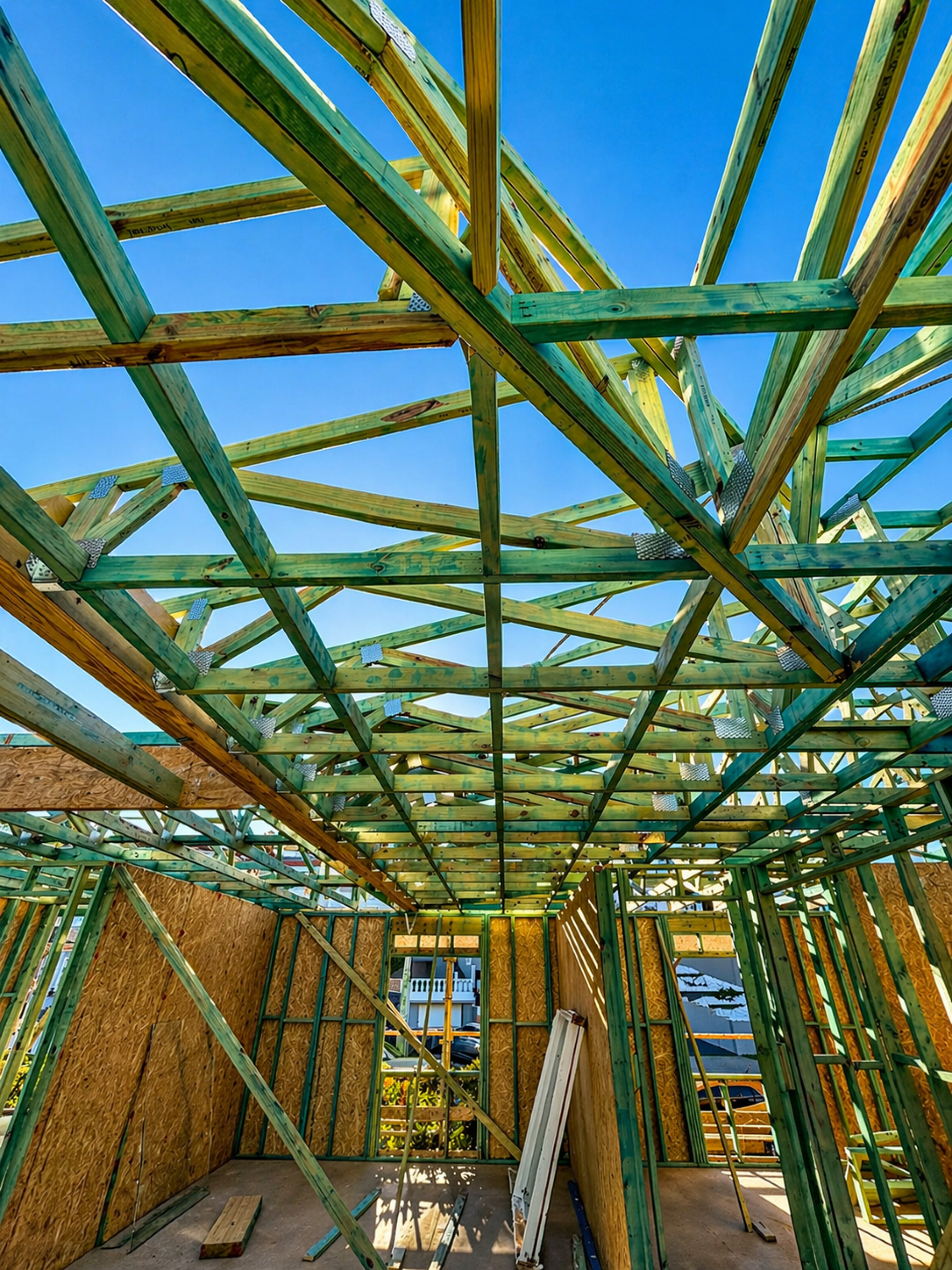
Building or renovating in 2026 can feel a bit like checking your bank app after a big weekend. You think you know what to expect, then the numbers surprise you. With changes in material prices, labour demand, and supply conditions, construction costs are shifting, and homeowners are feeling it. The key is not to be caught off guard. With the right planning and the right builder, you can stay in control and build with confidence.
A brief look back at how homes have evolved shows us why costs are where they are today. Years ago, homes were simpler, built mainly for shelter and basic function. Today, homes are designed for comfort, flexibility, and lifestyle. Open-plan living, outdoor entertaining areas, energy-efficient systems, and higher-quality finishes are now expected. These improvements add real value, but they also entail additional cost considerations. We are no longer just building houses; we are building better ways to live.
So what should homeowners expect when planning a build in 2026? Construction costs are influenced by a few key factors. Materials like timber, steel, and concrete can fluctuate depending on supply and demand. Skilled trades are in high demand, which impacts labour costs. There are also compliance requirements to consider. In New South Wales, building work must meet standards set by NSW Fair Trading, and approvals must be processed through the NSW Planning Portal. These ensure safety, quality, and proper licensing, but they can also affect timelines and budgets if not planned correctly.
Set a clear and realistic budget
Know your limits early and allow a buffer for unexpected costs.
Prioritise what truly matters
Focus on structural quality and key spaces before adding extras.
Keep the design practical
Simple, well-planned designs are more cost-effective and easier to build.
Understand approvals and compliance
Meeting NSW regulations early helps avoid delays and extra expenses.
Work with the right builder
An experienced team helps you plan more effectively, avoid costly mistakes, and deliver high-quality results.
At Prescom Constructions, we understand that building is not just about numbers on a page. It is about creating a home that works for you now and into the future. Every decision, from design to materials, plays a part in delivering a result that balances cost, quality, and lifestyle. And here is a fun fact: in the past, entire communities would come together to help build homes. While things are more regulated today, the idea of teamwork is still at the heart of every successful project.
Understanding construction costs in 2026 does not have to feel overwhelming. With the right knowledge and the right team by your side, it becomes a clear and manageable process.
“Smart planning builds strong foundations, and strong foundations build lasting homes.”
If you are planning to build or renovate, get in touch with Prescom Constructions today and let’s bring your vision to life with clarity, quality, and care.
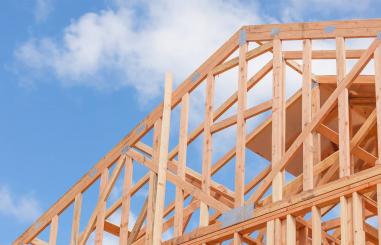
Prime Costs (PC) and Provisional Sums (PS) are essential terms in construction quotes. Prime Costs cover allowances for materials like fixtures or appliances that haven't been selected yet, offering flexibility but potentially leading to additional costs if more expensive options are chosen. Provisional Sums are estimates for work not fully defined when quoting, like excavation or retaining walls, and may change due to unforeseen circumstances. Understanding the distinction helps homeowners manage budgets and avoid surprises during the building process.
Read more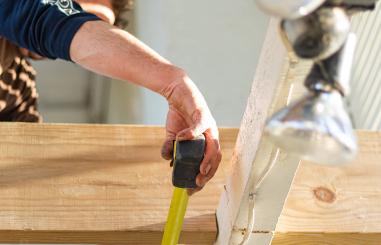
A pre-handover inspection is crucial when taking possession of a new home to ensure any issues or defects are addressed before the final settlement. Key areas to check include the structural integrity (e.g., walls, floors), fittings and fixtures (e.g., taps, doors, windows), kitchen appliances, bathroom tiles and plumbing, electrical systems, and finishes like paintwork and flooring. By thoroughly inspecting these aspects, homeowners can prevent costly repairs later and ensure a smooth transition into their new home.
Read more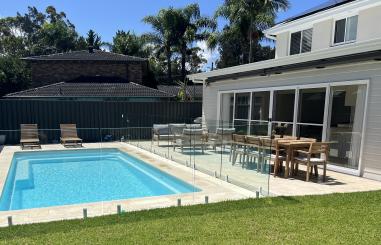
In recent years, a new trend has emerged in the world of residential homes known as the Australian Hamptons style. This unique architectural and interior design style combines elements of traditional Hamptons style with a distinctive Australian twist, resulting in homes that are both elegant and relaxed. Often referred to as Aussie Hamptons, these homes have gained popularity for their timeless appeal and seamless integration with the beachy Australian lifestyle.
Read more